The event, known as the 8.2-kiloyear climate event, was triggered by a massive influx of freshwater into the North Atlantic Ocean due to melting ice sheets. This disrupted the Atlantic ocean circulation, leading to widespread cooling over Greenland and surrounding regions.
According to the study, the cooling caused large-scale changes in atmospheric circulation patterns. These changes led to a southward shift of tropical rainfall belts and a reduction in moisture transport towards the Indian subcontinent.
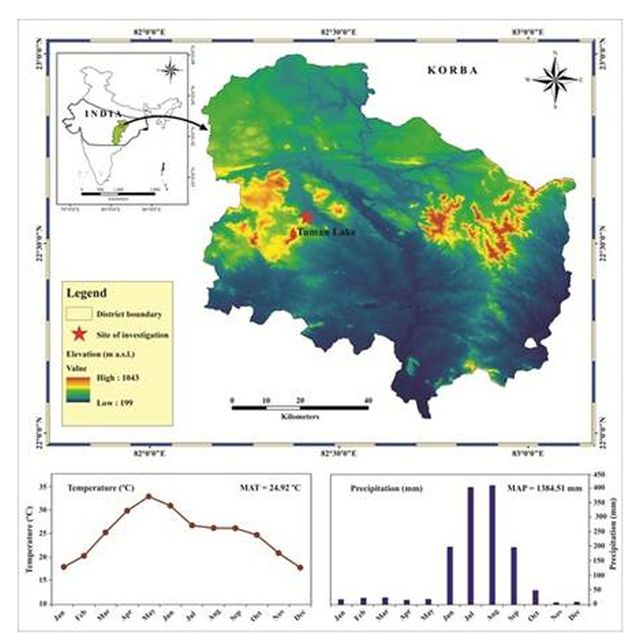
Paleoclimate records from regions across South Asia, including lake sediments and cave deposits, indicate a marked decline in monsoon rainfall during this period, lasting for nearly two centuries.
The findings underscore the sensitivity of the Indian monsoon system to distant climatic changes and highlight the role of ocean-atmosphere interactions in influencing regional weather patterns.
The study also provides important insights into how abrupt climate events in one part of the world can have far-reaching impacts, particularly on monsoon-dependent regions like India.