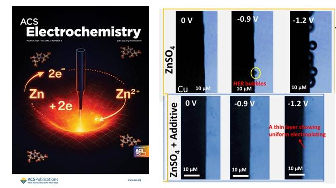
Aqueous batteries, which use water-based electrolytes instead of flammable organic solvents, offer several advantages, including enhanced safety, lower production costs, and environmental sustainability. However, their widespread adoption has been constrained by issues related to energy density and long-term stability.
The latest research introduces innovative electrolyte design strategies that improve ion transport, suppress unwanted side reactions, and strengthen the stability of electrode-electrolyte interfaces. These advancements significantly enhance battery efficiency, extend cycle life, and improve overall performance.
The breakthrough is expected to accelerate the development of next-generation energy storage systems for applications ranging from grid-scale renewable energy storage to electric mobility and portable electronics. The findings also contribute to global efforts toward creating safer, sustainable, and economically viable battery technologies for a clean energy future.