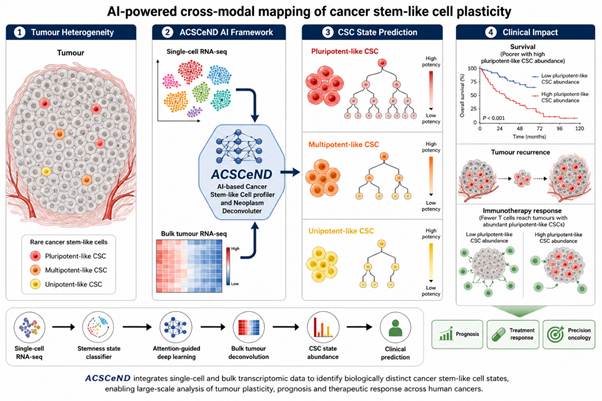
Researchers are using AI-powered analysis of complex cellular and molecular data to identify these elusive cells and map the biological mechanisms that help them survive. The technology can detect patterns across thousands of individual cells, providing scientists with a more detailed picture of tumour behaviour.
The findings could enable researchers to identify cancer cells that are particularly resistant to existing therapies and develop targeted treatments aimed at eliminating them before they can trigger relapse. The research also highlights the growing role of artificial intelligence in precision oncology, where treatment strategies are increasingly being tailored to the unique biological characteristics of individual tumours.
While further research and clinical validation will be required, scientists believe that identifying the hidden cellular drivers of recurrence could ultimately lead to more effective therapies and reduce the risk of cancer returning.